"Did Pepper have a good day?? She was SO tired last night." The message arrives at nine in the evening, on the personal phone of whichever staff member Pepper's owner happened to chat with at drop-off. That staff member was in the small-dog yard all day and never saw Pepper. She replies "She had a great time!" because that is what everybody replies.
Behind the front desk there is a pad of paper dog daycare report cards with a row of cartoon faces to circle. About half of them get filled in. The rest end up crumpled in a bag of leftover kibble, or never get written, because the dog went home with the late shift and nobody was sure whose job it was.
Pepper's owner was not really asking whether Pepper had a good day. She was asking whether anyone was paying attention to her dog. A good dog daycare report card answers that question every day, and it should take your staff about a minute per dog.
What should a dog daycare report card include?
Owners read report cards the way parents read a note from a babysitter: quickly, looking for their own dog in it. Five things do almost all of the work.
- Who they played with. One or two names, or a type: "stuck with the young retrievers all morning", "preferred the quieter yard". It tells the owner their dog has friends, and it proves you know which dog is theirs.
- Energy and play style. Full speed until lunch, then a long nap. Loved chase, backed off from wrestling. One line is plenty.
- Potty. Normal, or not. Loose stool, no pee all afternoon, an accident inside. The owner is the one who will spot a pattern, so they need the facts.
- Meals and medication. Ate all of lunch, left half, took the noon pill wrapped in cheese. If you gave it, say so.
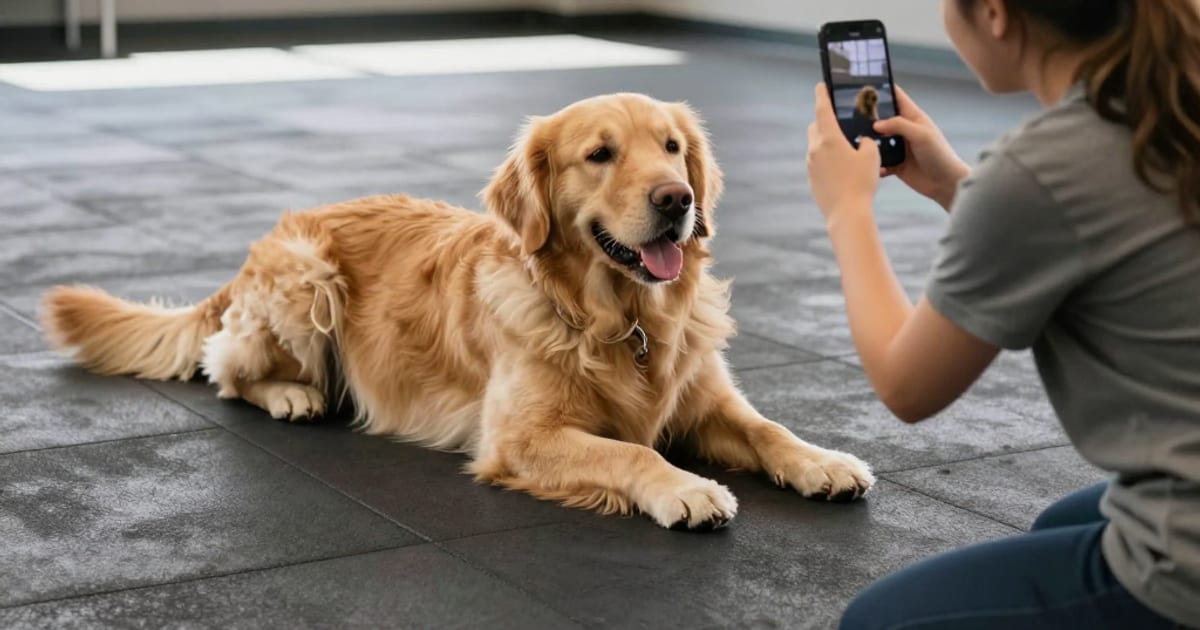
- A photo. One good one, in focus, with the dog's face in it. It does more than three paragraphs.
Then add one honest sentence in a person's voice. That sentence is what turns a report card into something an owner looks forward to, instead of a receipt.
What to leave out of a daycare report card
Grades and smiley faces. A "C in manners" helps nobody and makes owners defensive. Say what happened instead: "jumped on the gate a lot when new dogs came in".
Other dogs' names in anything negative. "Got body-slammed by Moose" tells one client about another client's dog, and you will hear about it from both of them. Write "a bigger, bouncier dog" and deal with Moose separately.
Diagnoses. You are not the vet. "Her stool was loose this afternoon, worth keeping an eye on" is useful. "She has colitis" is not yours to say.
Anything that should have been a phone call. A scrape that needed cleaning, a scuffle, a dog pulled from group for the day: call first, then write the card. An owner should never learn their dog was hurt from a report card. And skip the filler. If every card says "had a pawsome day!", owners notice, and they compare notes in the parking lot.
How to write a report card in 60 seconds when you have 30 dogs
Thirty dogs at five minutes each is two and a half hours, and nobody has that between the lunch turnout and the evening pickup rush. Thirty dogs at one minute each is half an hour, which fits into a quiet afternoon. The way to get there is to stop writing from memory at the end of the day.
- Log the facts as they happen. Meals, meds, potty breaks and turnouts get ticked off on the floor during the day, so the facts on the card exist before anyone writes a word.
- Take photos during play, not at five o'clock. By pickup time every dog is asleep in a run. Grab two or three shots per yard per session and sort them later.
- Write in the post-lunch lull. Rough notes are fine: "w/ Juno + Biscuit all am, big zoomies, nap pm". Tidy them before they go out.
- One writer per yard. The person who watched the group writes the group's cards. Nobody writes about a dog they did not see.
- Same order every time. Friends, energy, potty, food, one honest line. A fixed order means nobody stares at an empty box.
The owner is not really asking whether her dog had a good day. She is asking whether anyone was watching.
Sample daycare report card wording for good, so-so and rough days
Copy these, then make them yours. Each one is specific, short, and sounds like a person.
A good day: "Pepper spent the morning with Juno and Biscuit in the big yard and did not stop until lunch. She ate everything, potty breaks were normal, and she slept hard through the afternoon rest. New this week: she has started bringing toys to staff to throw. Expect a tired dog tonight."
A so-so day: "Ollie was a little unsettled this morning and spent more time by the gate than usual. He warmed up after lunch and had a good game of chase with a couple of the younger dogs. He left about half his lunch. Nothing worrying, but let us know if anything has changed at home."
A rough day: "An honest update: Max found today hard. He got overwhelmed in the main yard around eleven, so we moved him to the smaller, calmer group for the afternoon and he settled much better there. He ate well and potty was normal. We would like to keep him in the smaller group on Thursday and see how he does. Happy to talk it through at pickup."
The rough-day card follows a simple shape: what happened, what you did about it, what you plan next. Owners forgive a hard day. What they do not forgive is finding out about it late, or from someone else.
Where daycare report cards should live
Paper goes home in a bag, or goes missing. Texts from personal phones put staff on call at nine at night and leave no record the business can see. The report card should come from the business, land somewhere the owner can find again, and stay on the dog's history so the next shift can read it.
That history earns its keep when something changes. Three loose stools in two weeks is a pattern an owner can take to the vet. A nervous dog who has slowly become happier in the small group is progress you can show. It is the same argument for a client portal that applies to training notes: the information is worth more when the client can scroll back through it.
How HeelYeah handles daycare report cards
In HeelYeah, a day guest's report card starts from what the floor already logged. The day's meals, medications, turnouts and care notes appear on the card as timed highlights, so the facts are in place before anyone types. Staff add their own notes, and if those notes are rough, HeelYeah can tidy them into client-ready sentences for the staff member to review before saving. Attach photos from the day, mark the card ready, and send it, either one at a time or every ready card for the day from the front-desk roster.
The owner gets an email that their dog's report card is ready and reads it in their client portal, on that day's visit, photos included. A card with nothing in it will not send, and resending one asks for confirmation first, so nobody gets a blank card or the same card twice by accident. If you also run day training, that side has a live report card: as the trainer logs the day, the owner's portal updates, with no send step at all.
From a trainer using HeelYeah
“It’s not just making the admin easier for me. It’s making it easier for my clients to actually follow their program. They know what they’re working on. They can find the resources I’ve given them. They know how many sessions they have left.”
Start with one yard tomorrow. Log as you go, take the photos while the dogs are still awake, and write five honest lines per dog before pickup starts. The nine o'clock text stops coming, because the owner already knows.